
Monster Factory Part I: History of Violence
Are video games making our children killers?


Ever since I started gaming over three decades ago, one topic about games has always returned to the limelight time and time again whenever the number of incidents of school violence or violence among children are on the rise. “Are violent video games making my children violent?!”
The answer is “No!” Video games are just another form of media that has been propped up as a convenient scapegoat for policymakers and parents to blame instead of actual harmful social-psychological stress and messaging on social media/digital platforms that are affecting our children. Policymakers have done it before with every new form of media (television, comic books, rap music) when they need someone to point to for a quick soundbite or headline. But by doing such a surface level attempt to appease the general audience, they risk ignoring the root cause.

The prevalence of violence in schools in Southeast Asia has been a hot topic over the past couple of years. In Malaysia alone, we’ve seen reports of school bullying and cyberbullying on an upwards trend year over year with recent news reports skyrocketing the debate of violent media affecting our children. But it’s not just us, our neighbors in Philippines and Indonesia are showing high rates of bullying as well.
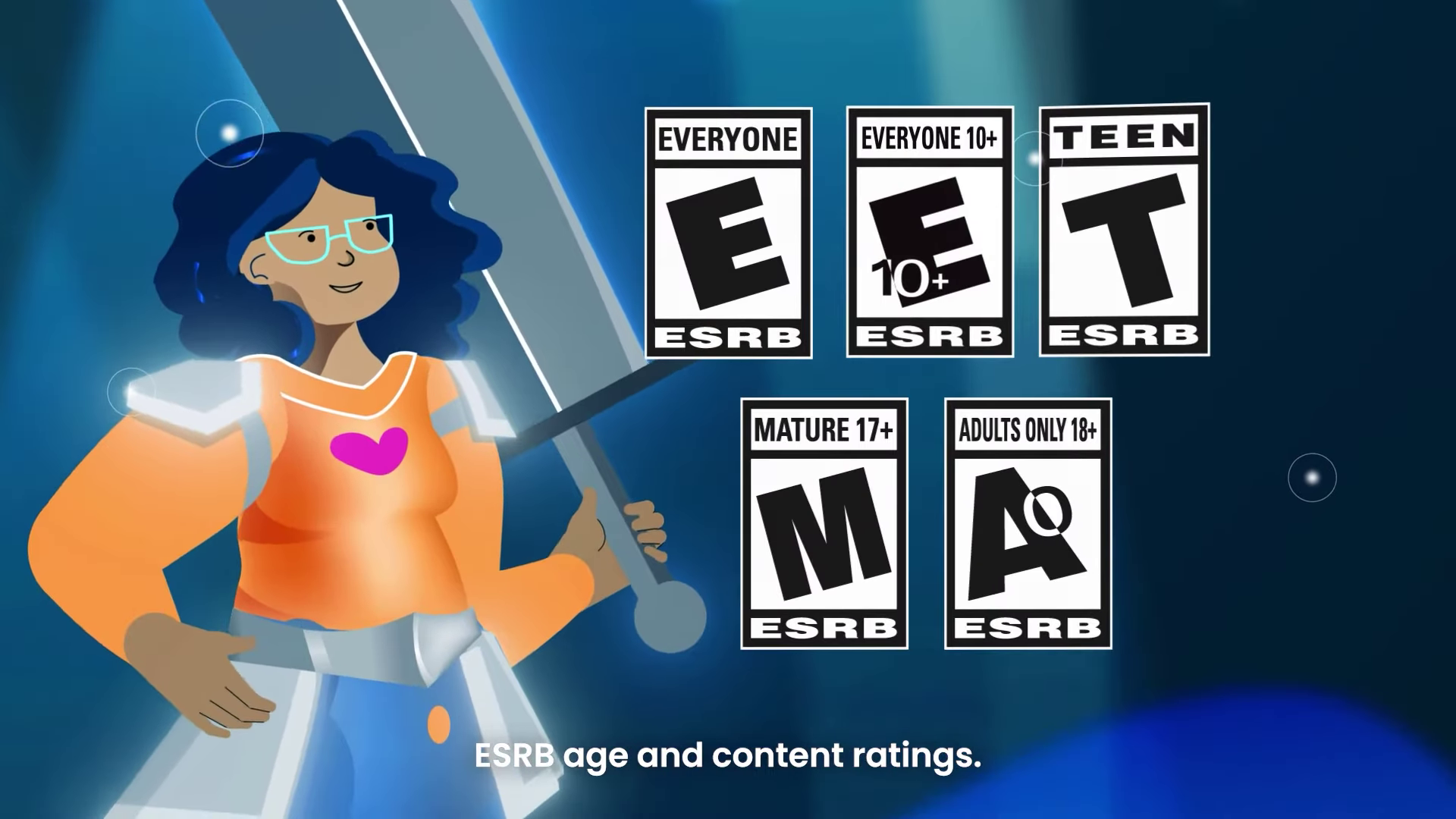
So why are parents and policymakers targeting video games? My personal opinion is that it’s because playing video games is the activity that most children these days participate in and has content being the most obviously violent. What I mean by that is if I show you a video of a violent video game being played, you can tell almost immediately when something is violent. Whereas if I show you hours of social media, you might not even realize that you’re being affected subconsciously. Thus making video games the perfect scapegoat due to its high visibility and ease of messaging to those who are not as well informed.

It’s not the first time that video games have been on the firing line. In the late 90s, video games came under fire for influencing youths to commit criminal acts. This was the period when arcades were still a thing and games like Mortal Kombat and Grand Theft Auto III were criticized for their violent content. Around the time of the Columbine High School massacre where two teenage boys attacked their school, murdered their classmates and teacher and attempted to blow up the school. A disbarred United States lawyer and anti-video games activist, Jack Thompson, at the time said “In every school shooting, we find that kids who pull the trigger are video gamers.” He called video games “murder simulators” and tried to link violent video games with real-world aggression. However, he was not successful in his endeavors to ban the sale of games to minors due to a lack of scientific evidence but he hoped that the outrage and sensationalism would help his cause.

Since then video games have changed. Players have become more diverse and older. The average age of a player in 2025 reported by the Electronic Software Association (ESA) is 36 years old. This older audience has an appetite for games that are more mature and one way for games to appear more mature is to have more realistic visuals to distance themselves from the impression that video gaming is a children’s pastime. And with more realistic visuals means more realistic depictions of violence.

But that’s not the only side of the story, while games are depicting more realistic violence. Players are also more informed compared to before and thus more discerning as to which games are suitable for their children to play. In the same ESA report, 70% of parents play video games and 82% of those play video games with their kids. This means that parents aren’t only more informed compared to the past but are also engaging with their children’s interests.
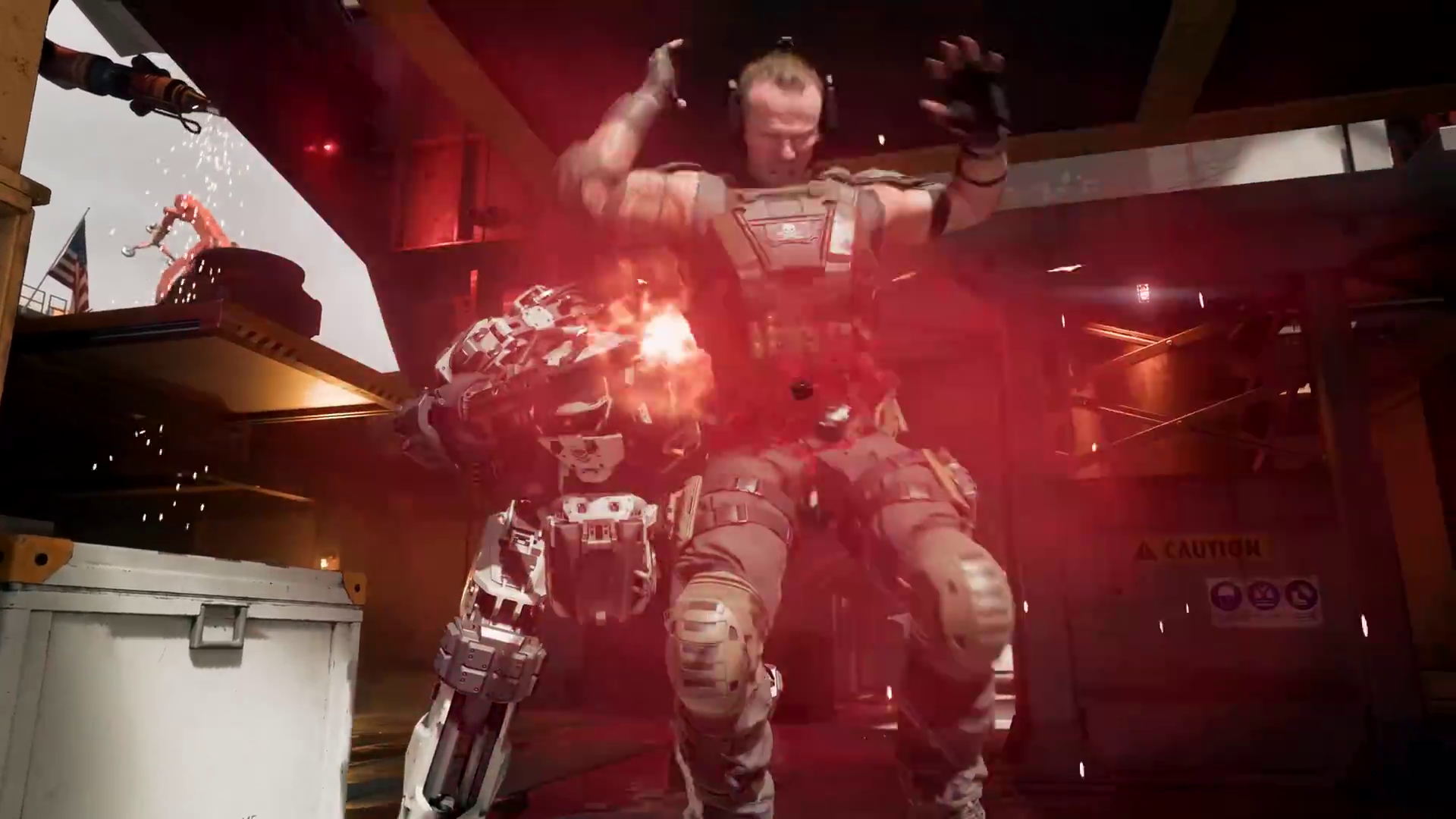
Over the years, scientific research has also supported the findings that while playing violent video games can cause short-term aggressive behavior, there is no evidence that they lead up to long-term behavioral changes culminating in criminal behavior. There is another wrinkle to this puzzle. Kids typically don’t have access to Mature titles like the games being shown in this article. Whether it’s because they cost a lot of money or a parent has to be very neglectful to allow their kids to play these kinds of games for long hours at a time. This then leads us to one question, if violent video games are not the main cause of violence, what is?
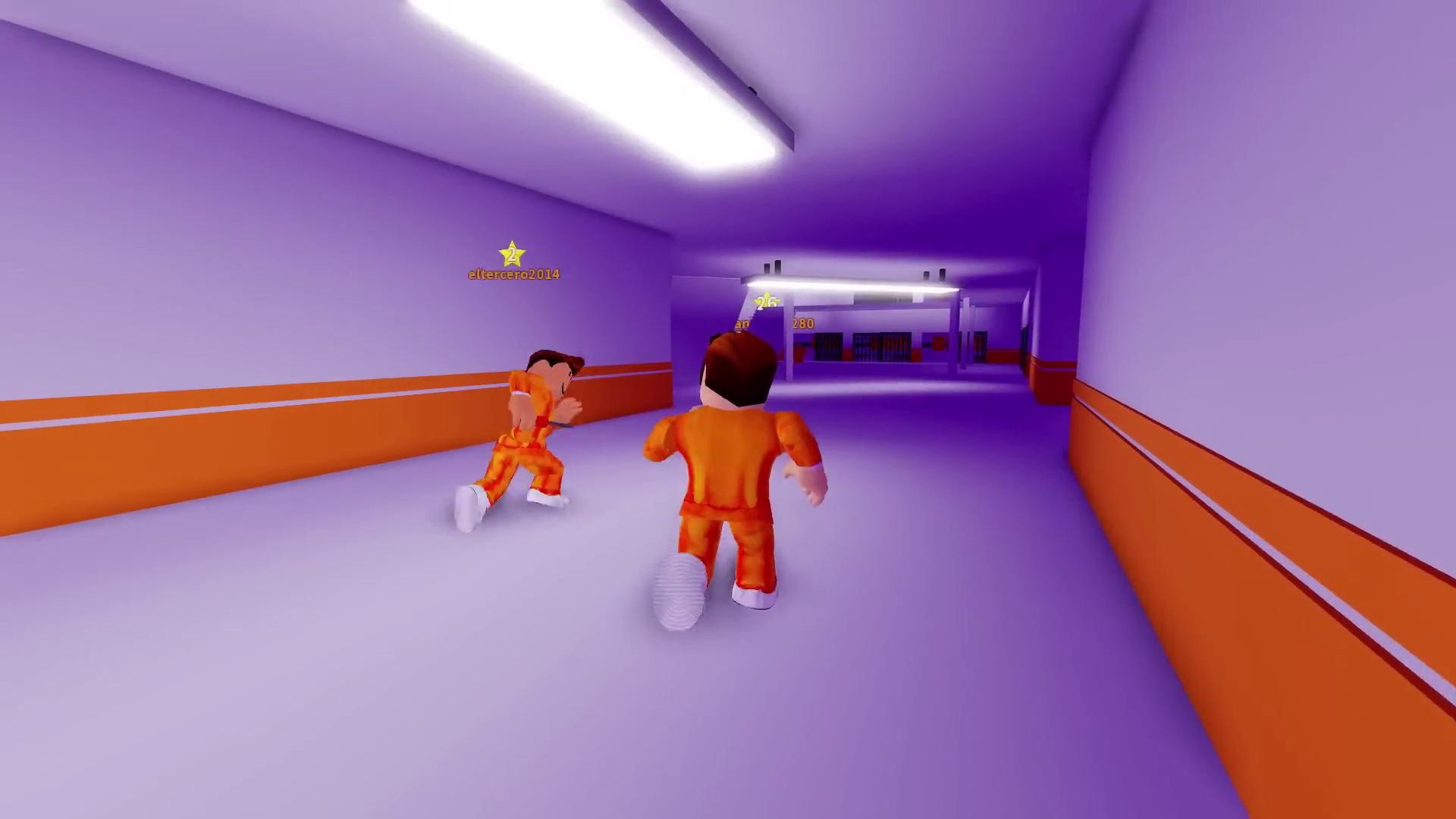
The answer to that question will have to wait. Video games might not be the main cause of aggression in our children, but some parts of the underlying psychology are relevant. To truly understand the problem, we will have to look into the psychological and biochemical roots of impulse control and digital addiction, and from there examine the invisible social stressors and platforms that amplify aggression. Finally, we will touch upon the groups who exploit this volatility for their own selfish needs.
Part II: Weapon of Choice
Part III: Don’t Let the Man Get You Down